
Howdy! I'm Axo!
Environmental Scientist & Photographer
📍 Central Florida
This portfolio is a work in progress, and showcases moments from my fieldwork, everyday encounters with nature, and other miscellaneous projects that I will add as needed.
Check out my print shop and digital download shop if you're interested in downloads or prints!
Enjoy exploring my page!
Florida Feathered Friends
This collection features birds that I observed and photographed for my iNaturalist projects. Check out my iNaturalist research here! Each image features scientific facts and the International Union for Conservation of Nature (IUCN) Red List status, highlighting my commitment to wildlife conservation and protection.
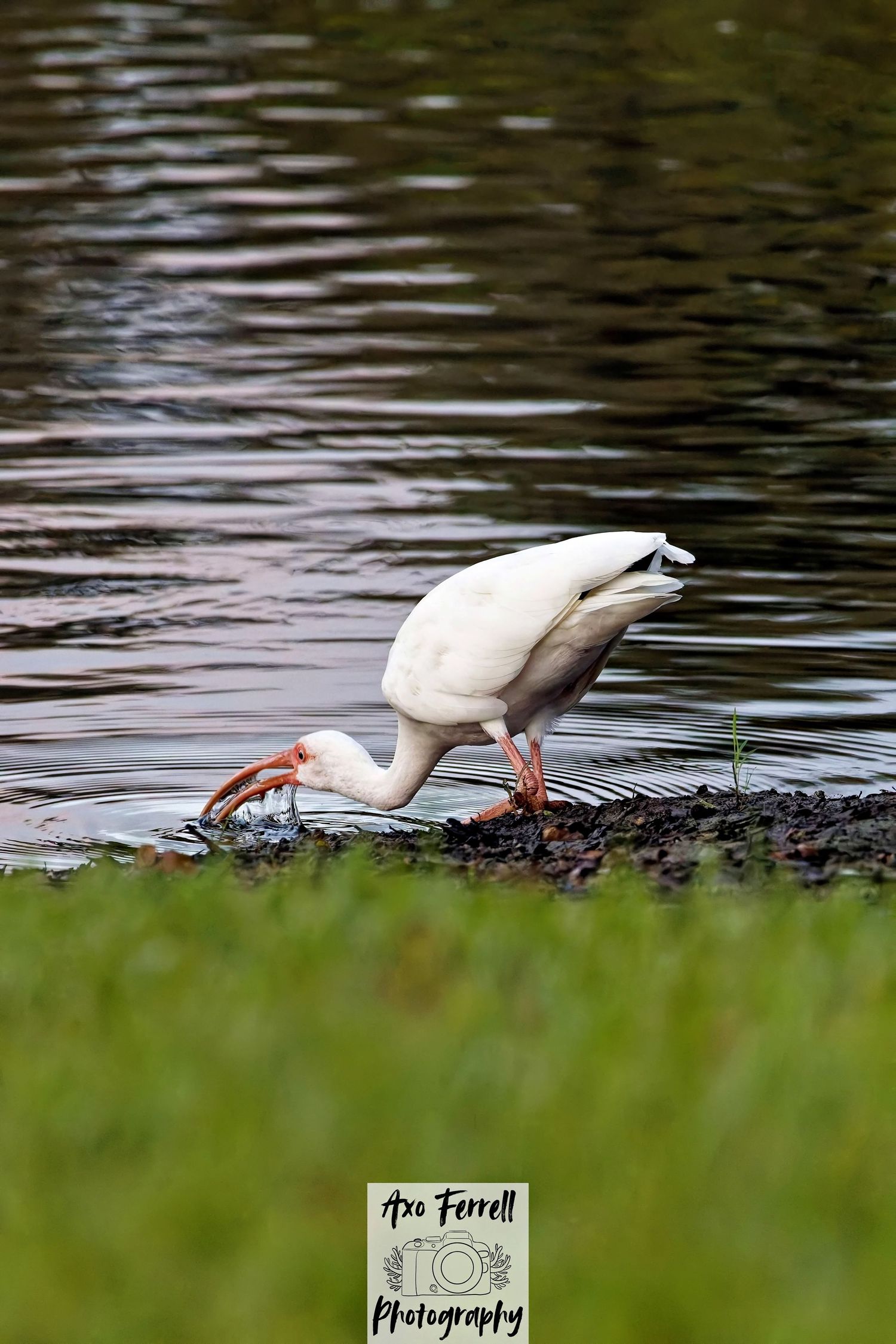
White Ibis (Eudocimus albus) - August 19th, 2025
Ibises have straight bills when they hatch, and they don't start to curve downward until they are 2 weeks old (Cornell Lab of Ornithology).
⭕ IUCN Red List Status (as of 2021): Least Concern
📸 Canon EOS R10 + RF100-400mm • 400mm • f/8 • 1/640s • ISO 6400
📍 Central Florida
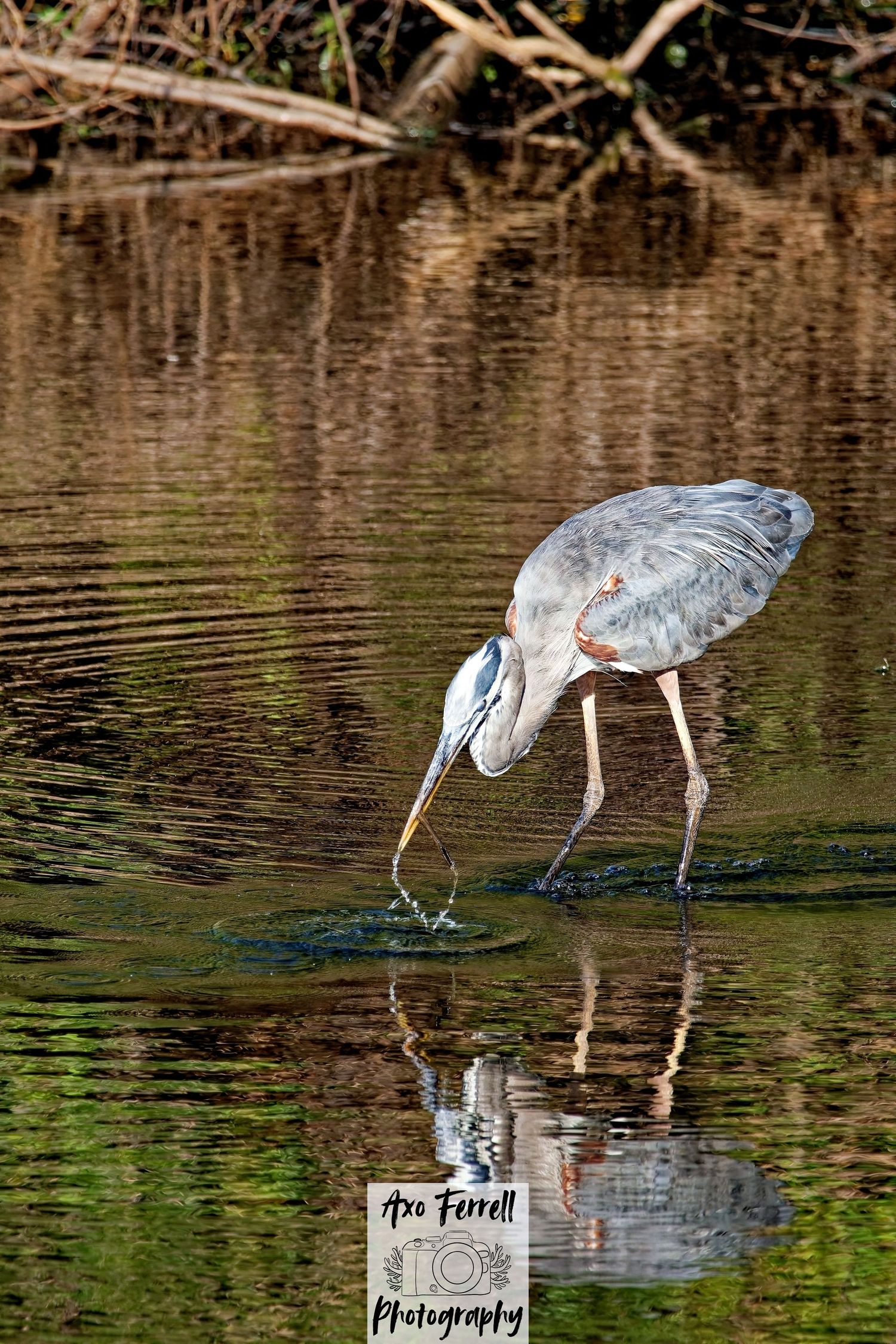
Great Blue Heron (Ardea herodias) - August 19th, 2025
Great Blue Herons use constantly growing, fraying chest feathers called “powder down” and a special fringed claw to clean and protect their plumage from swamp slime and fish oils (Cornell Lab of Ornithology).
⭕ IUCN Red List Status (as of 2020): Least Concern
📸 Canon EOS R10 + RF100-400mm • 400mm • f/8 • 1/500s • ISO 400
📍 Central Florida
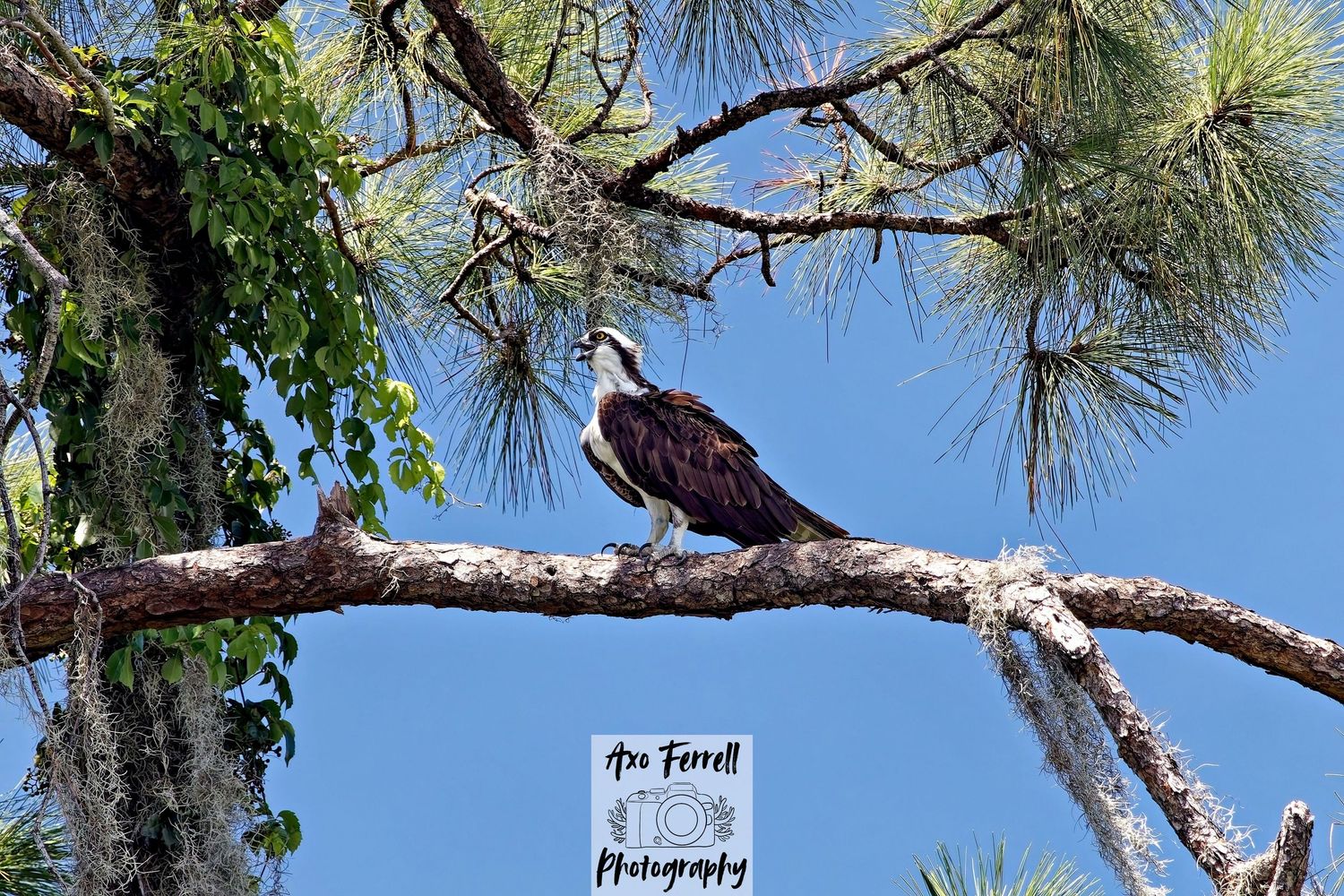
Osprey (Pandion haliaetus) - August 12th, 2025
The name “Osprey” first appeared around 1460, adapted from the Medieval Latin avis prede, “bird of prey.” Some sources trace it even further back to the Latin ossifragus, meaning “bone-breaker.” (Cornell Lab of Ornithology).
⭕ IUCN Red List Status (as of 2021): Least Concern
📸 Canon EOS R10 + RF100-400mm • 400mm • f/8 • 1/500s • ISO 1000
📍 Central Florida
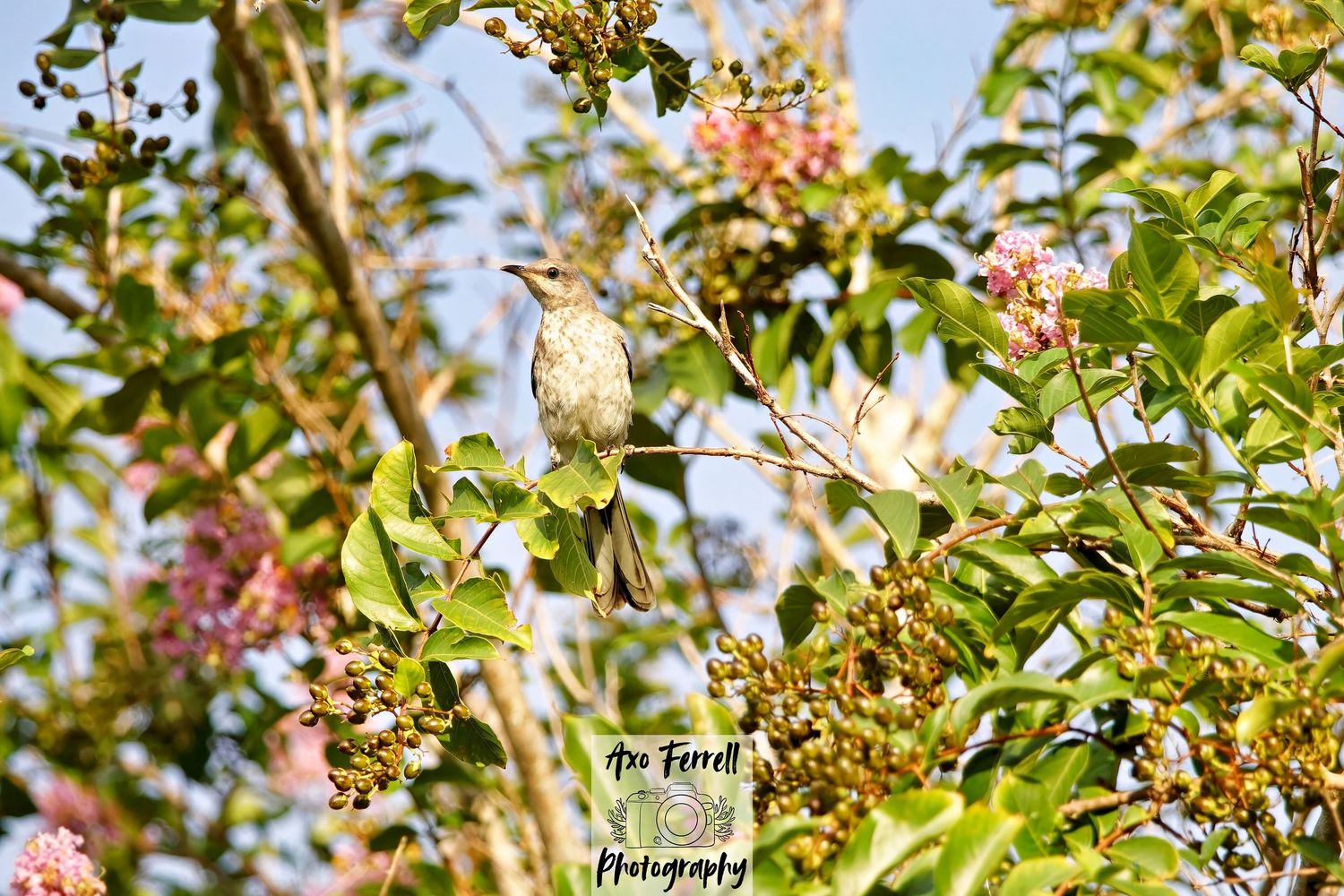
Northern Mockingbird (Mimus polyglottos) - August 24th, 2025
Northern Mockingbirds can learn up to approximately 200 songs during their lifetime (Cornell Lab of Ornithology).
⭕ IUCN Red List Status (as of 2016): Least Concern
📸 Canon EOS R10 + RF100-400mm • 300mm • f/8 • 1/2000s • ISO 6400
📍 Central Florida
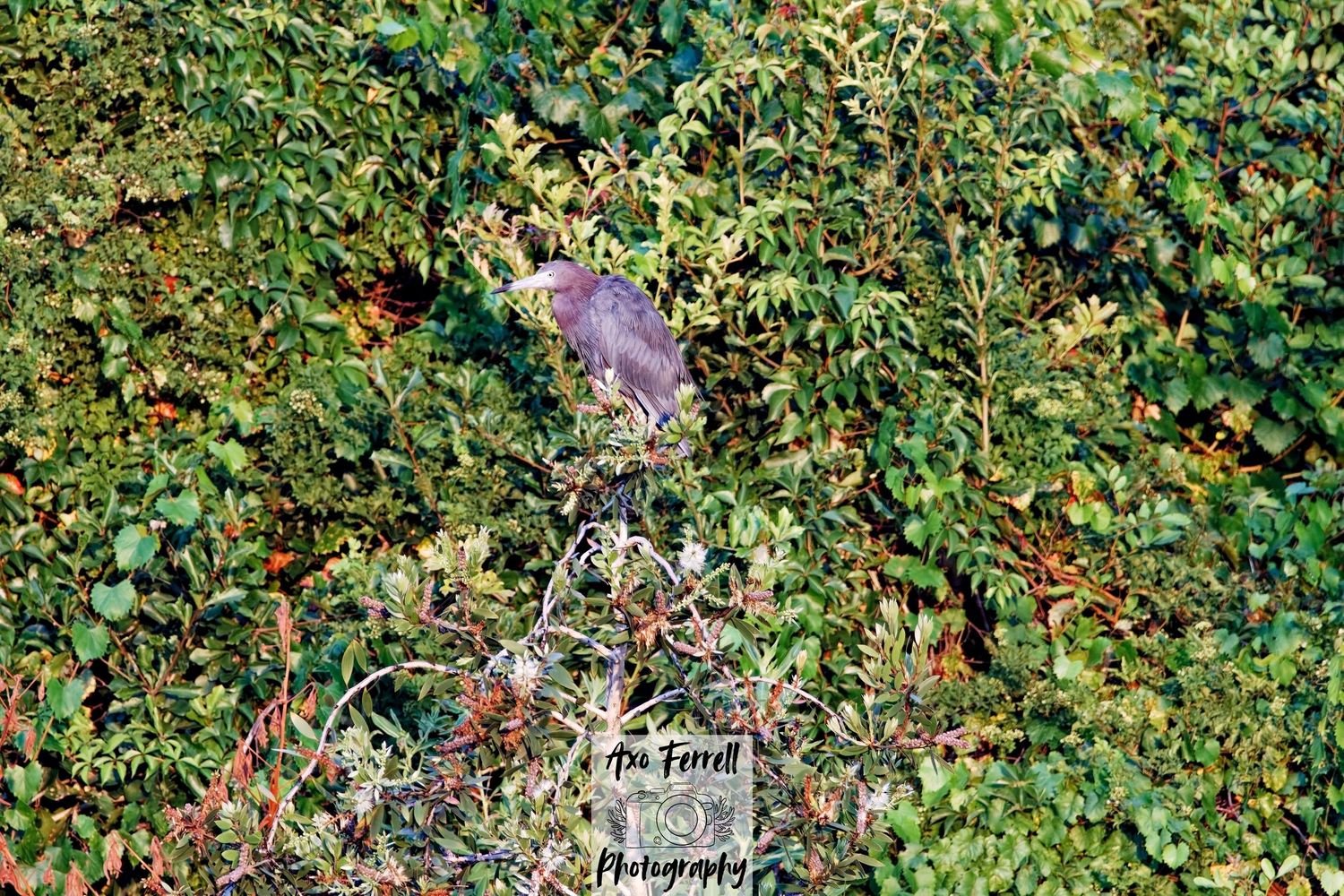
Little Blue Heron (Egretta caerulea) - August 21st, 2025
Juveniles are completely white for their first year, which helps them blend in with Snowy Egrets and avoid predators while they learn to hunt (Cornell Lab of Ornithology).
⭕ IUCN Red List Status (as of 2016): Least Concern
📸 Canon EOS R10 + RF100-400mm • 400mm • f/8 • 1/400s • ISO 4000
📍 Central Florida
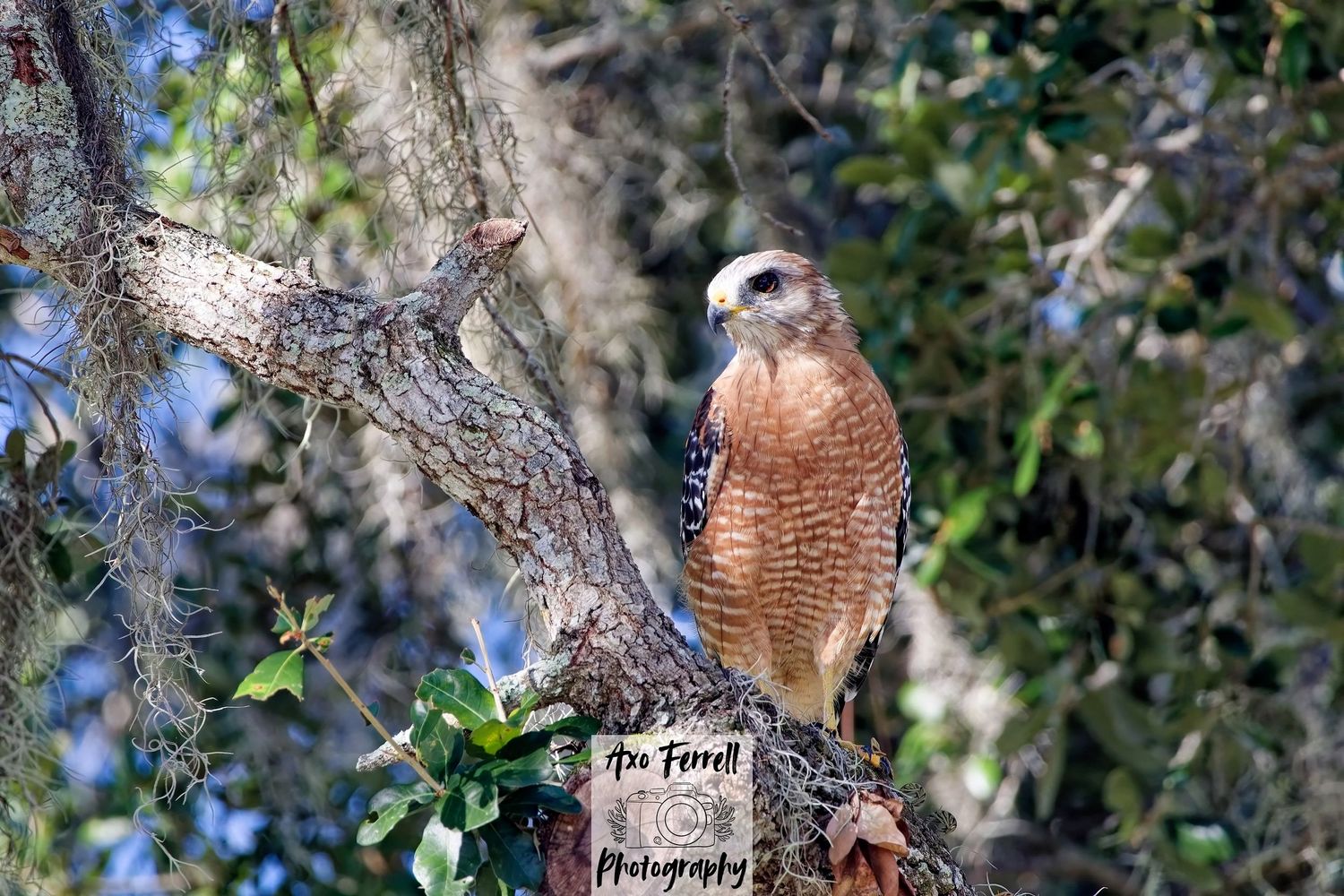
Red-shouldered Hawk (Buteo lineatus) - August 19th, 2025
By five days old, they can aim and shoot their poop over the edge of their nest (Cornell Lab of Ornithology).
⭕ IUCN Red List Status (as of 2016): Least Concern
📸 Canon EOS R10 + RF100-400mm • 400mm • f/8 • 1/250s • ISO 1250
📍 Central Florida
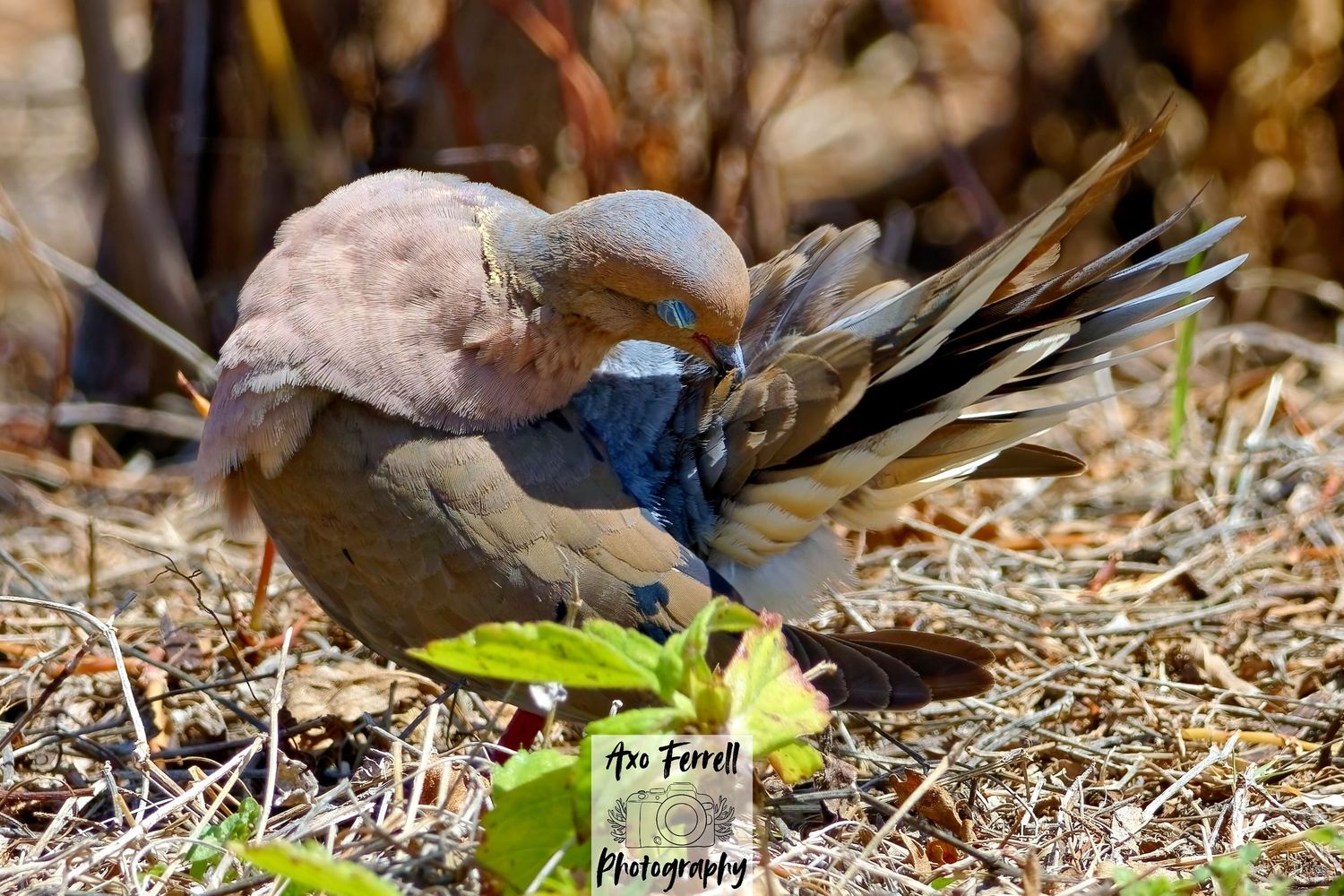
Mourning Dove (Zenaida macroura) - April 4, 2025
Mourning Doves can survive in desert environments because they can drink brackish spring water without becoming dehydrated, unlike humans (Cornell Lab of Ornithology).
⭕ IUCN Red List Status (as of 2024): Least Concern
📸 Canon EOS R10 + RF100-400mm • 300mm • f/8 • 1/1000s • ISO 100
📍 Central Florida
Florida's Magnificent Mammals
This gallery highlights the mammals I’ve documented for my iNaturalist projects. Each photo includes scientific facts and IUCN Red List status, reflecting my commitment to wildlife conservation.
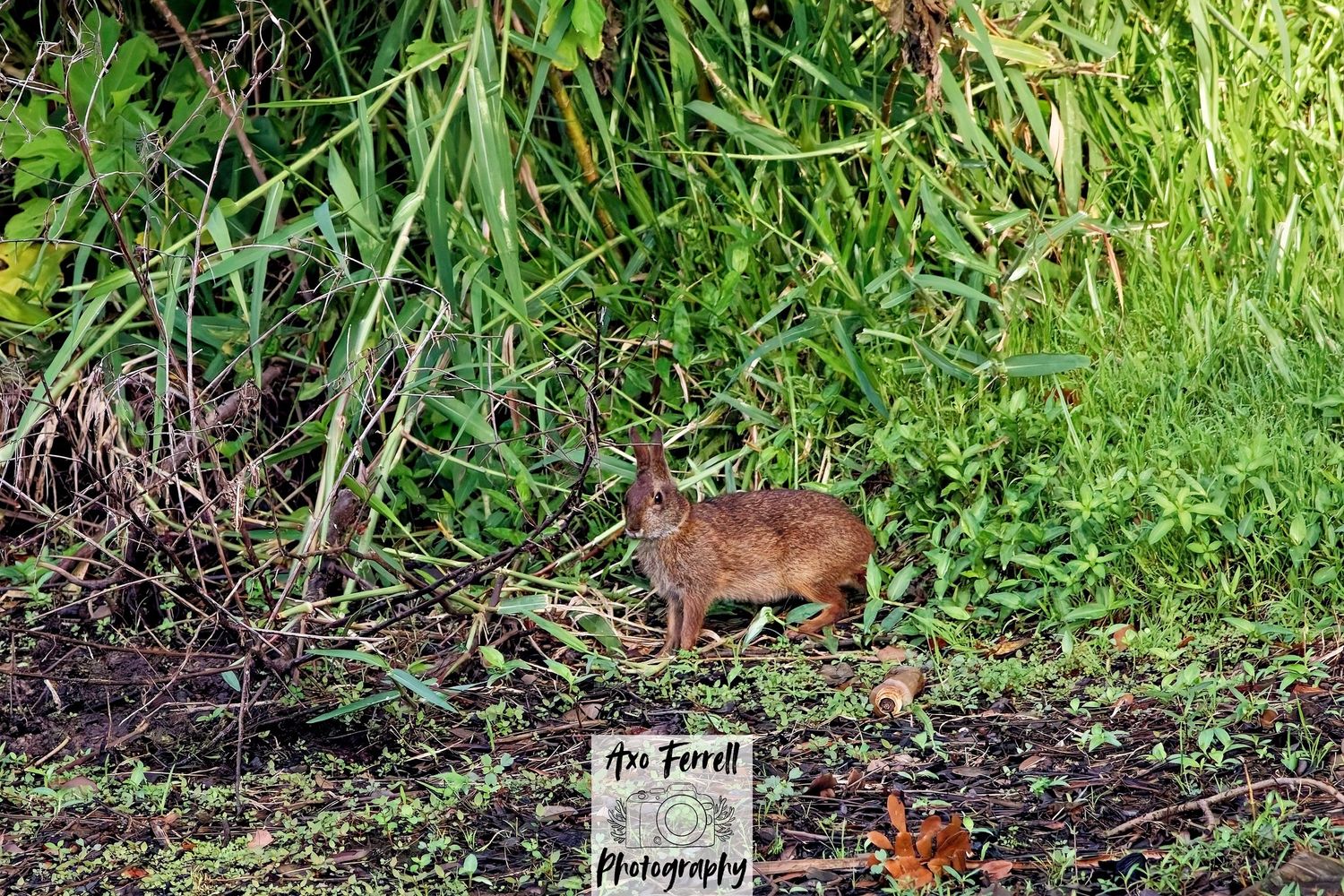
Marsh Rabbit (Sylvilagus palustris) - August 24th, 2025
The dark underside of its tail distinguishes the Marsh Rabbit from all other cottontail rabbits (Leah Thompson).
⭕ IUCN Red List Status (as of 2018): Least Concern
📸 Canon EOS R10 + RF100-400mm • 400mm • f/8 • 1/2000s • ISO 6400
📍 Central Florida
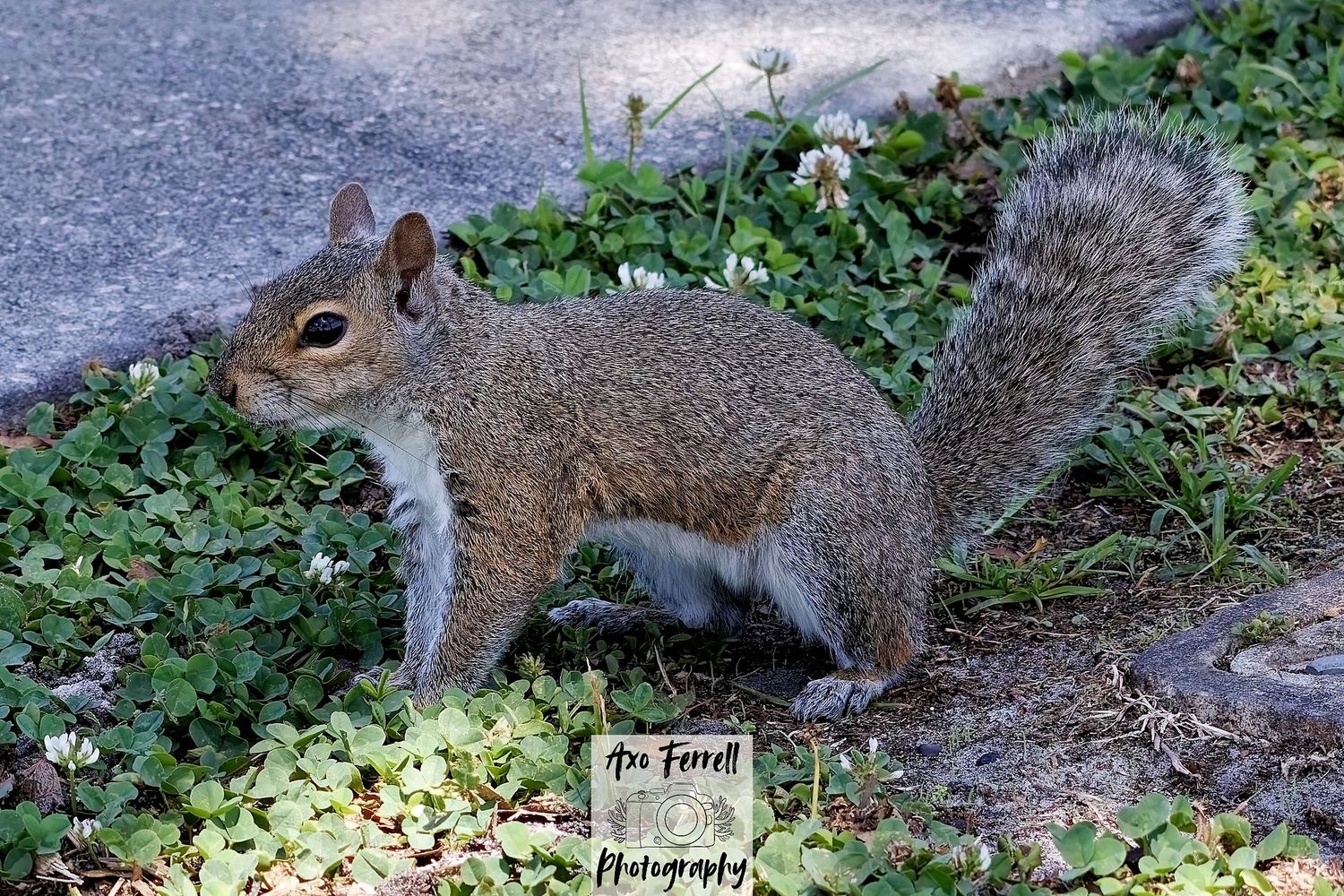
Eastern Gray Squirrel (Sciurus carolinensis) - April 4th, 2025
Their ankles can rotate 180 degrees (U.S. National Park Service)!
⭕ IUCN Red List Status (as of 2016): Least Concern
📸 Canon EOS R10 + RF100-400mm • 108mm • f/8 • 1/1000s • ISO 1000
📍 Central Florida